

CBN vs CBD: Differences and Benefits
Jan 12th 2026
Interest in plant-based compounds has grown in recent years, particularly around naturally occurring cannabinoids such as CBN and CBD. Although both are non-intoxicating, they have unique characteristics that distinguish them from one another. As more products on the market highlight these compounds individually or in combination, understanding the differences between CBN and CBD has become increasingly relevant.
This article explores how each compound interacts with the body, what science currently says about their potential roles, and what distinguishes one from the other.
In some areas like Asheville, NC, interest in high-quality cannabinoid-rich products has resulted in increased awareness around topics like high THCa flower.
These discussions often open the door to learning about other minor cannabinoids like CBN and how they compare to more familiar options like CBD.
What Is CBD?
Cannabidiol (CBD) is a widely studied cannabinoid present in the raw plant material of certain botanical varieties. Unlike other well-known cannabinoids, CBD is non-intoxicating and does not bind significantly to CB1 receptors in the brain. Instead, it appears to interact indirectly with the endocannabinoid system, particularly by influencing enzymes and other receptor sites like 5-HT1A.
CBD is often researched for its possible roles in neurological regulation, inflammatory response, and general balance. Though ongoing studies continue to examine these pathways, scientific literature already reflects substantial interest in CBD's broad profile. This compound is commonly referenced in wellness conversations, with attention focused on its adaptability across delivery methods and product types.
The body of research on CBD remains among the most robust in the cannabinoid category. However, much of it is still in the exploratory phase, with varying degrees of clinical support depending on the area of interest. While some peer-reviewed studies suggest promising properties, regulatory bodies continue to monitor claims and usage patterns closely.
What Is CBN?
Cannabinol (CBN) is a lesser-known cannabinoid that forms as a byproduct of molecular changes in tetrahydrocannabinolic acid (THCa) over time. This compound is usually present in small quantities in unprocessed material, often resulting from environmental exposure such as oxidation.
Ongoing research has also prompted interest in how CBN functions in combination formulations. In response to this growing focus, WNC CBD developed a balanced full-spectrum product that pair CBN and CBD in equal ratios.
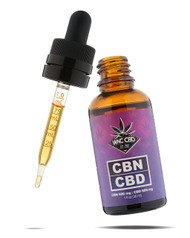
Introducing the 600mg CBN : 600mg CBD Oil Tincture, which combines both cannabinoids in a 1:1 full-spectrum formulation intended for nighttime routines. Products like this reflect how CBN is commonly positioned alongside CBD in formulations designed to emphasize relaxation and evening use, without relying on intoxicating effects.
The scientific community continues to examine CBN's potential as a standalone compound and in combination with others. Its stability and origin from molecular degradation have made it an interesting subject in product formulation and cannabinoid standardization.
How CBD and CBN Interact with the Endocannabinoid System
Both CBD and CBN engage the body's endocannabinoid system (ECS), a regulatory network involved in maintaining balance across physiological processes. However, the way they interact with receptors like CB1 and CB2 is distinct.
CBD has minimal binding affinity for CB1 or CB2 receptors but instead modulates other receptor pathways and enzyme functions. This indirect action is part of what has led to its diverse research profile. CBN, in contrast, exhibits a slightly greater affinity for CB2 receptors, though it still does not activate them strongly enough to be considered intoxicating.
The nuances in how each compound operates within the ECS suggest different potential outcomes when included in product formulations. These differences also underline the importance of not conflating CBN and CBD, as their mechanisms of action do not mirror each other precisely.
What Research Suggests About CBN and CBD
Current research into both cannabinoids remains active, but the volume and depth of studies differ. CBD has been the subject of numerous clinical and pre-clinical investigations. Its effects on neurological activity, inflammation modulation, and oxidative stress markers continue to be documented.
CBN research is still emerging but has gained attention for its stability and potential influence on rest cycles. Studies often focus on its interaction with other cannabinoids and how that might affect overall product outcomes. There is growing interest in how CBN functions in combination formulas, although the supporting literature remains limited.
Both compounds continue to be monitored for their safety profiles, chemical stability, and efficacy in controlled settings. Regulatory and clinical oversight remains crucial in guiding future conclusions.
Differences Between CBN and CBD in Product Formulation
Product developers approach CBN and CBD differently due to their unique properties. CBD is widely used in oils, tinctures, topicals, and edibles. Its molecular stability, solubility, and consistent extraction potential make it a common base ingredient.
CBN, being less abundant and often derived from aged or exposed material, requires more specialized extraction or isolation techniques. It is frequently included in smaller ratios within multi-cannabinoid blends. Its inclusion is typically strategic, aligned with product positioning toward relaxation or nighttime routines, though such implications should not be generalized without proper evidence.
These formulation choices reflect not just chemical profiles but also consumer interest and emerging research. Transparency in labeling, including cannabinoid ratios and third-party testing, supports informed decision-making without overstating potential outcomes.
Stability and Shelf Life of CBN vs CBD
One of the often-overlooked differences between these cannabinoids is their chemical stability. CBN, as an oxidative byproduct, is relatively stable in its current form. That makes it suitable for formulations with longer shelf-life expectations, assuming it is properly stored.
CBD also maintains good stability but is more sensitive to light and heat. Product manufacturers often take extra precautions to preserve CBD's efficacy by using tinted containers, temperature control, and airtight packaging.
Understanding these differences can help guide product development, labeling accuracy, and consumer education around cannabinoid integrity.
Legal Classification and Market Availability
Neither CBN nor CBD is federally classified as an intoxicating substance in its natural, unaltered form. However, their regulatory classification can vary by jurisdiction. In certain areas, including Asheville, NC, interest in legally compliant cannabinoid products like THCa flower has sparked increased scrutiny and attention to labeling practices, ingredient sourcing, and public messaging.
CBD enjoys broader market acceptance, with more clearly defined production standards. CBN, while not prohibited, is subject to newer and more variable interpretations, especially as it becomes more popular in formulated products.
Consumers and retailers alike are encouraged to review applicable laws, prioritize third-party testing, and verify that product claims are consistent with local compliance standards.
Key Takeaways on CBN vs CBD
CBN and CBD represent two distinct but complementary cannabinoids. While both are non-intoxicating and show promise across a range of research categories, their differences in structure, origin, and receptor interaction matter.
CBD remains the more established compound in terms of research, public awareness, and product development. CBN, though still emerging, is gaining momentum due to its potential niche roles and chemical stability. Neither compound should be generalized as a replacement for the other, as their effects and applications differ in meaningful ways.
Understanding these nuances allows for more informed perspectives in conversations about product formulation, scientific inquiry, and cannabinoid research.
As the regulated market continues to evolve, products like high THCa flower in Asheville, NC and similar cannabinoid-focused offerings have underscored the need for evidence-based language and clarity in public discourse.
FAQs
Is CBN the same as CBD?
No, CBN and CBD are two distinct cannabinoids with different chemical structures and biological interactions. They are often used for different purposes and exhibit different profiles in research.
Does CBN have psychoactive effects?
CBN is classified as non-intoxicating, though research into its neurological interactions is ongoing. It does not produce the same receptor engagement associated with euphoric compounds.
Can CBN and CBD be used together?
Some formulations include both cannabinoids to leverage their respective characteristics. However, combining them does not imply amplified effects unless supported by research.
Are CBD and CBN legal?
Their legal status varies by region. In many jurisdictions, CBD is more widely accepted, while CBN may fall into a gray area depending on how it is sourced and labeled.
Is one cannabinoid better than the other?
Each cannabinoid offers different properties. Neither is inherently superior, and their effectiveness depends on individual formulation goals, product type, and user context.