

CBN vs CBDa: Scientific Comparison, Benefits, and Distinctive Properties
Jan 13th 2026
Both CBN (cannabinol) and CBDa (cannabidiolic acid) are non-psychoactive compounds that have garnered increasing interest in scientific and wellness research.
While structurally distinct, they both occur naturally and interact with the body’s endocannabinoid system in unique ways. Understanding how they differ at the molecular level and how they may contribute to targeted effects can help clarify their relevance in wellness research.
This article will explore the key differences between CBN and CBDa, including their origins, mechanisms of interaction, and reported benefits.
For residents evaluating cannabinoid content in specialized products, such as high THCa flower in Asheville, NC, understanding the nuances of these compounds may add to more informed decisions.
What Is CBN?
CBN, short for cannabinol, is a degradation byproduct that forms naturally over time as specific compounds undergo oxidation. It is known for having mild interaction with the CB1 receptor and has been studied for various regulatory properties.
How CBN Forms
CBN originates as part of a transformation process where select molecular structures break down or change. This natural aging and exposure to air and light results in gradual conversion. Unlike other compounds that remain stable, CBN reflects time-based evolution within the plant matrix.
Unique Characteristics of CBN
CBN’s molecular shape permits a lower binding affinity with CB1 and CB2 receptors, resulting in a gentler interaction profile. Though not classified as psychoactive in standard quantities, CBN is under ongoing study for its reported association with regulatory responses including rest, immune modulation, and inflammatory balance.
Reported Benefits of CBN
Studies suggest that CBN may contribute to relaxation support, especially when paired with other compounds. There is preliminary evidence that it may play a role in nighttime wellness routines and could offer more targeted outcomes when consumed in combination with complementary cannabinoids or specific terpene profiles.
Reflecting this formulation approach, some full-spectrum products pair CBN with CBD in balanced ratios rather than isolating the compound.
One example is the 600mg CBN : 600mg CBD Oil Tincture from WNC CBD, which combines both cannabinoids in a 1:1 full-spectrum formulation designed for nighttime use. Products like this illustrate how CBN is commonly positioned alongside CBD in formulations focused on calm, non-intoxicating evening routines rather than standalone effects.
What Is CBDa?
CBDa, or cannabidiolic acid, is the acidic precursor to CBD.
Found in raw material before thermal exposure, CBDa represents an unconverted form that retains unique chemical properties prior to any decarboxylation process.
How CBDa Differs Structurally
CBDa has a carboxylic acid group in its chemical composition, making it distinct from its counterpart, CBD. This structure impacts how the compound interacts with the body. It does not bind directly to cannabinoid receptors but may influence enzymes such as COX-2, associated with inflammation responses.
Reported Benefits of CBDa
Emerging studies highlight CBDa’s potential role in supporting temporary inflammatory response, nausea regulation, and mood balance. Its distinct acidic structure and indirect interaction with biological pathways have drawn interest among researchers examining immune homeostasis and gastrointestinal function.
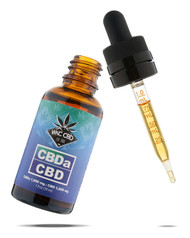
Reflecting this growing research focus, some formulations pair raw CBDa with its decarboxylated counterpart rather than isolating either compound. One example is the 1,000mg CBDa : 1,000mg CBD Rosin Oil Tincture from WNC CBD, which combines both cannabinoids in a 1:1 full-spectrum, solventless rosin formulation.
Products like this demonstrate how CBDa is being incorporated into balanced tinctures designed for regular, non-intoxicating use while preserving its raw chemical profile.
Preservation and Extraction Considerations
Because CBDa is heat-sensitive, retaining it in its natural form requires specialized cold extraction methods. This approach preserves its raw chemical profile, allowing it to remain stable until formulated into tinctures, capsules, or topical products.
Molecular Differences Between CBN and CBDa
Although CBN and CBDa are both non-intoxicating, their molecular origins and mechanisms of interaction vary significantly. One is the result of aging and oxidation, while the other represents a raw, unconverted state.
Pathways of Formation
CBN results from molecular breakdown processes that take place over time. In contrast, CBDa is produced directly without the need for external changes. These distinct formation pathways affect how each compound is used and maintained during product formulation.
Receptor Engagement
CBN exhibits mild binding to the CB1 receptor but not to the same extent as other compounds. CBDa does not directly engage with CB1 or CB2 receptors, instead influencing systems through enzyme modulation. This leads to distinct biological pathways and non-overlapping application focus.
Thermal Stability
CBN is more thermally stable and less affected by exposure to moderate heat. CBDa, however, converts rapidly when exposed to elevated temperatures. This difference is crucial for those selecting cold-processed products that retain unaltered cannabinoid profiles.
Safety and Tolerability Profiles
Both CBN and CBDa are considered well-tolerated based on early research. Their non-psychoactive nature and low toxicity profiles make them accessible for broader exploration. Nonetheless, scientific evaluation continues to determine optimal dosage, combination effects, and long-term implications.
Synergistic Interactions
The concept of the entourage effect proposes that these compounds may perform differently when paired with others. For example, CBN may be more effective when formulated with particular terpenes that support relaxation. CBDa may exhibit enhanced anti-inflammatory outcomes in multi-compound formulations.
Potential for Targeted Applications
CBN has been studied for rest-related support, while CBDa is under review for mood and gastrointestinal balance. Understanding how these compounds align with individual needs can help guide selection of non-intoxicating products.
Safety Research in Progress
As with all minor cannabinoids, peer-reviewed research remains ongoing. Those exploring high-THCa flower in Asheville, NC or other cannabinoid-dominant options should consider formulations backed by third-party testing and transparent sourcing practices.
Formulation and Availability in Product Types
The presence of CBN and CBDa varies across product types, depending on how they are formulated and preserved. Not all extraction processes retain these compounds in active or usable forms.
Tinctures and Capsules
Cold-extracted tinctures and encapsulated products often preserve the integrity of CBDa. CBN, by contrast, may appear more frequently in aged or post-processed options. Shelf-stable versions are available for both, depending on preservation goals and manufacturing standards.
Topicals and Transdermals
Topical applications of CBN and CBDa are gaining interest for localized outcomes. CBDa’s acid structure lends itself well to external formulations. CBN’s lipid compatibility supports its inclusion in creams and balms designed for nighttime routines.
Testing and Label Accuracy
Reliable third-party lab testing remains essential to confirm accurate compound levels. Certificates of Analysis (COAs) help determine the presence of CBN or CBDa, identify purity, and screen for unwanted contaminants. Choosing lab-tested products increases confidence in formulation quality.
Legal and Regulatory Status
The legal landscape for minor cannabinoids remains complex and varies by jurisdiction. Unlike compounds associated with intoxicating outcomes, CBN and CBDa have not been specifically scheduled in many regions, but interpretations may differ by state or country.
Regional Classification Differences
In some areas, the classification of CBN is more restrictive due to its relationship to degradation. CBDa often receives broader acceptance due to its raw and non-intoxicating status. However, classification can shift depending on how the compounds are marketed.
Labeling Transparency
Product labeling must reflect accurate content and not suggest therapeutic claims. Products containing CBN or CBDa must adhere to regulatory guidelines, avoiding misrepresentation of effects or unsubstantiated benefits.
Future Policy Developments
Ongoing research and shifting public awareness may influence how regulatory bodies classify and manage these compounds. Monitoring policy trends helps stakeholders remain compliant and anticipate product development opportunities.
Conclusion: Distinct Roles, Shared Potential
CBN and CBDa each offer distinctive contributions to the broader profile of minor cannabinoids. Their unique mechanisms, formation processes, and early research findings suggest they may support different wellness-related goals.
For individuals evaluating high-THCa flower in Asheville, NC or comparing non-psychoactive options, understanding how CBN and CBDa function individually and in combination can offer meaningful insight.
Continued research, product innovation, and responsible sourcing will further clarify their place in regulated cannabinoid applications.
FAQs
What is the primary difference between CBN and CBDa?
CBN results from natural oxidative processes over time, while CBDa exists in its raw acidic form prior to thermal conversion. Their formation pathways, receptor interactions, and preservation requirements are fundamentally different, leading to distinct profiles in research and formulation.
Do CBN and CBDa interact with the endocannabinoid system?
Yes, but in different ways. CBN has a mild binding affinity with CB1 receptors, whereas CBDa influences enzymes such as COX-2 without directly binding to cannabinoid receptors. This leads to divergent effects and use cases in research.
Are CBN and CBDa considered psychoactive?
Both CBN and CBDa are classified as non-psychoactive. They do not produce intoxicating effects in their standard concentrations and are primarily studied for their regulatory potential in various biological pathways.
How can I verify the presence of CBN or CBDa in a product?
Look for third-party Certificates of Analysis (COAs) that clearly indicate compound concentrations. Reputable sources should provide batch-specific lab results to ensure formulation transparency and compliance.
Is the legal status of CBN and CBDa the same across all states?
Not necessarily. While both compounds are generally considered non-intoxicating, local classifications may vary depending on how the products are marketed or labeled. It's important to verify regulations in your specific jurisdiction before purchasing or distributing cannabinoid-based formulations.