

What Every Buyer Should Know Before Purchasing Indoor THCa Flower
Aug 5th 2026
Most people picking up indoor THCa flower for the first time don't know what they're actually looking at. The label has percentages. The product page mentions farming methods. Somewhere in the details, there's a COA they've never been taught to read. We see this a lot, and the questions people bring in are usually the same: what does this mean, why does this cost more, how do I store it? We're not here to pile on more jargon. We're here to help you walk in with clear eyes: knowing what that label is telling you, why growing method changes what's in the product, how to keep it fresh, and where to start.
What's on an Indoor THCa Flower Label (and What Should Make You Walk Away)
A COA, or Certificate of Analysis, is a third-party lab document that verifies what's actually in the product you're buying. Any seller of legal THCa flower should have one available without you having to dig for it. If they don't, that's already a clear enough answer.
Here's what to focus on when reading one: the THCa percentage, which typically runs 15–25% on quality product; the delta-9 THC content, which must stay below 0.3% by dry weight under federal hemp law; and the name and accreditation of the testing lab. Labs certified to ISO/IEC 17025 have real credibility. A lab you can't verify independently doesn't carry the same weight, and some sellers count on buyers not noticing that distinction.
A lot of people scroll past the full cannabinoid panel, but that's where you find the complete picture. When we're reviewing indoor THCa flower for our shelves, the cannabinoid panel is the first place we look. High THCa flower compounds like CBG and CBC show up there, along with the full terpene breakdown. Those secondary compounds tell you more about how the plant was grown and cared for than the headline THCa percentage alone ever could, and they point toward the actual experience you can expect from a given batch.
Red flags to know: no QR code linking to a live COA, a lab report dated over a year ago, a delta-9 reading pushing close to the 0.3% limit, or a seller whose third-party testing takes real effort to locate. None of those are oversights. Transparency is a deliberate choice, and sellers who make it easy have something worth showing you.
Indoor THCa Flower vs. Outdoor vs. Greenhouse: What You're Actually Paying For
The cultivation of THCa flower directly affects what ends up in your hands, and buyers who haven't considered the difference often end up puzzled by why prices vary so much from one product to the next.
Outdoor grows use natural sunlight and tend to produce large plants. Costs stay lower, which passes down to the buyer, and that's a real consideration for a lot of shoppers. The trade is consistency. Weather shifts, pest pressure, and seasonal variation affect outdoor plants in ways growers can't fully control, and that shows up in cannabinoid density and terpene profiles that fluctuate more from batch to batch.
Greenhouse sits between the two. Growers get natural light while maintaining more environmental control than an open field allows. Consistency tends to improve, and the price lands somewhere in the middle.
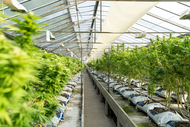
Indoor grown hemp flower sits at the top end of that range, and the reasons are practical. When growers control the light cycle, temperature, humidity, and CO2 around the clock, they produce denser buds, richer terpene profiles, and cannabinoid concentrations that stay predictable across harvests. Premium THCa flower overwhelmingly comes from indoor operations because no outdoor grow method can match that consistency.
Choosing indoor THCa flower over a cheaper outdoor option is usually a matter of precision: paying for controlled conditions, trained labor, and infrastructure that maintain consistent quality. Some buyers don't need that level of consistency and are perfectly satisfied with outdoor or greenhouse product. Knowing what you're choosing between is the useful part.
Stop Keeping Your Flower in a Plastic Bag
Heat, light, moisture, and oxygen degrade cannabis over time. A plastic bag doesn't control any of them, and the material itself can affect flavor.
An airtight glass jar is the practical standard. It keeps oxygen out, holds in terpenes, and doesn't off-gas chemicals into your product the way plastic can. Store it somewhere cool and dark: not on a windowsill, not near a stove, not on top of the refrigerator where heat collects. A cabinet or drawer works for most people without any extra equipment.
Humidity control matters more than most buyers expect. The target range for stored flower is 58–62% relative humidity, which keeps bud from drying out and losing potency without creating conditions that invite mold. Boveda and Integra make small humidity packs that fit right inside a storage jar and cost almost nothing compared to what you spent on the product. Protecting a good purchase at that level just makes sense.
Some terpenes, particularly the more volatile ones, begin to break down within weeks when stored carelessly. That matters because terpenes are part of what makes one strain noticeably different from another, and poor storage flattens that difference faster than most people realize.
Long-term storage sometimes leads people toward the freezer. That can work for flower you won't open for months, but the risk is condensation: pulling a cold jar into a warm room causes moisture to form, and moisture is the last thing you want in a sealed container. For anything you'll use within the next few months, sealed glass with a humidity pack at room temperature is the better move.
New to Indoor THCa Flower? Here's Where to Actually Begin
Before you try anything, the THCa vs THC distinction matters. THCa in its raw form is non-psychoactive. THCa can decarboxylate into Delta-9 THC when exposed to heat. Eating raw flower won't have the same result.
New buyers of THCa flower strains regularly underestimate how much a small amount of well-grown, properly cured flower actually delivers. The THCa flower benefits people keep coming back for: relaxation, physical relief, a noticeably lifted mood. All of them land more clearly when you're not overdoing the first session.
One thing worth knowing right now is what you need to know about the hemp ban. Regulations around hemp-derived products have been shifting at both the federal and state level, and some states have moved to restrict or prohibit certain categories entirely. Legal THCa flower falls under the 2018 Farm Bill when delta-9 THC stays below 0.3% by dry weight, but federal compliance doesn't always override what individual states decide. Checking your state's current rules before you order is a practical step, not an overreaction.
We carry a range of options here, including legendary strains you don't want to miss if you're building a sense of what effects and terpene profiles work best for you. If you're new and not sure where to start with indoor THCa flower, reach out before you buy. We'd rather answer your questions upfront than have you figure it out after the fact.
Disclaimer: This content is provided for general educational information only. It is not intended to instruct or encourage the use or processing of any product in violation of applicable law. Hemp and cannabinoid laws vary by jurisdiction and are changing.